Operations | Monitoring | ITSM | DevOps | Cloud

The Future of Software Supply Chain Security With SolarWinds

The pandemic undoubtedly accelerated the growth of digital transformation and the rising use of open source, containers, and APIs. Along with this comes an even more pressing need to focus on software supply chain security. The exponential growth of applications and digital commerce has met with unprecedented security breaches.
Public Dashboards, Incident Management, and Our New Analytics API

Late last year we announced improvements to our public dashboards that included a revamped dashboard design that allowed users to see monitoring data in a more easily-digestible way, on any device. We improved performance across the board, and also introduced new incident management functionality—available for paid plans only—that allows users to more easily communicate scheduled maintenance notices and alert developers to minor and major incidents.

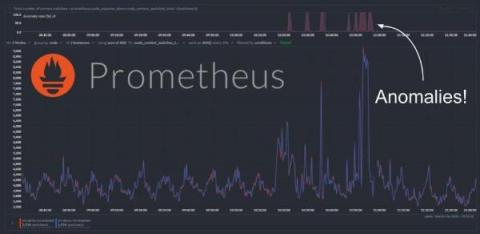
Anomaly detection on Prometheus metrics

We have recently extended the native machine learning (ML) based anomaly detection capabilities of Netdata to support all metrics, regardless on their collection frequency (update every). Previously only metrics collected every second were supported, but now Netdata can run anomaly detection out of the box with zero config on metrics with any collection frequency.

Why is it Important to Monitor & Manage Data Usage on Corporate Devices?

As a business owner, you are likely concerned about data usage on your company’s devices. In today’s digital age, where everything is going mobile-first, monitoring and managing data usage on corporate devices has become increasingly important for companies of any size. This article will explore why monitoring and managing data usage on corporate devices is essential, how you can do this effectively and what tools are available to help.

Webinar Highlight: Introducing InfluxDB's New Time Series Database Engine

As part of the InfluxDB Cloud, powered by IOx launch, Paul Dix and Balaji Palani provided an InfluxDB Cloud overview and demo. In case you missed it, this blog is a quick 5 minute read summarizing the webinar. We shared the recording and the slides from the presentation for everyone to review and watch at your leisure.

What the public sector can learn from CDM's data strategy

The US government handles massive quantities of data — via separate agencies and disconnected data systems. Having a central dashboard to track this data is absolutely essential for uncovering and sharing cybersecurity vulnerabilities before they can do harm to citizens or critical infrastructure.

Heroku vs Elastic Beanstalk: What to choose?

When it comes to deploying web applications, two popular options are Heroku and AWS Elastic Beanstalk. While both services aim to simplify the deployment process, they differ in several key areas. In this article, we'll compare Heroku and AWS Elastic Beanstalk and discuss the pros and cons of each service.

Troubleshoot blocking queries with Datadog Database Monitoring

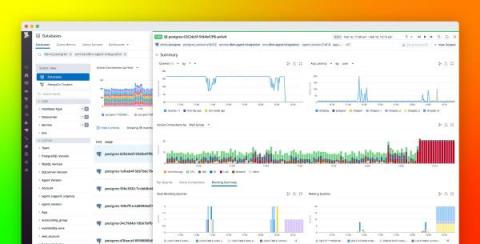
Blocked queries are one of the key issues faced by database analysts, engineers, and anyone managing database performance at scale. Blocking can be caused by inefficient query or database design as well as resource saturation, and can lead to increased latency, errors, and user frustration. Pinpointing root blockers—the underlying problematic queries that set off cascading locks on database resources—is key to troubleshooting and remediating database performance issues.

How Delivery Hero uses Kubecost and Datadog to manage Kubernetes costs in the cloud

As the world’s leading local delivery platform, Delivery Hero brings groceries and household goods to customers in more than 70 countries. Their technology stack comprises over 200 services across 20 Kubernetes clusters running on Amazon EKS. This cloud-based, containerized infrastructure enabled them to scale their operation to support increasing demand as the volume of orders placed on their platform doubled during the pandemic.

How 3 Companies Implemented Distributed Tracing for Better Insight into Their Systems

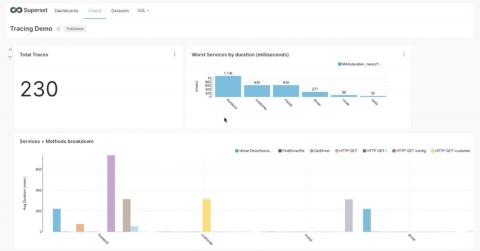
Distributed tracing enables you to monitor and observe requests as they flow through your distributed systems to understand whether these requests are behaving properly. You can compare tiny differences between multiple traces coming through your microservices-based applications every day to pinpoint areas that are affecting performance. As a result, debugging and troubleshooting are simpler and faster.