Operations | Monitoring | ITSM | DevOps | Cloud

Monitor containers on Amazon Bottlerocket with Datadog

Amazon’s Bottlerocket is a new Linux-based open-source operating system that’s designed with containers in mind. Bottlerocket is optimized and stripped down to only the essential software needed to run containers. You can apply updates to Bottlerocket in a single step, and roll them back instantly if necessary. And, because it’s open-source, you can customize the operating system to fit your specific needs.
LM Container: Introducing Support for AWS Bottlerocket

Hybrid IT environments enable Enterprises to optimize factors such as performance, cost, agility, and security, but they also introduce complexity. Containers are a great way to reduce some of this complexity by standardizing how applications are developed and deployed.

Using Private Threat Intelligence Feeds on Hidden Security Attacks with Logz.io

Oftentimes, security attacks that were clearly recorded in logs go unnoticed. They are obscured by a large sea of log data created by most modern cloud environments. In some cases, like during a DDoS attack, there will be a huge spike in logs so it will be very clear what happened. In other situations, just a few logs will document the attack. Finding these logs can be like finding a needle in a hay stack. But if you know what to looks for, it doesn’t need to be so hard to spot these attacks.

Secure and monitor your containers on Bottlerocket from AWS

Sysdig is pleased to support AWS today in their GA launch of Bottlerocket, a special-purpose operating system designed for hosting Linux containers. Orchestrated container environments run potentially hundreds of compute nodes. Operating general-purpose Linux on container hosts introduces complexity for IT teams who must patch and update packages across their clusters. Worse, features and packages that are not necessary for running containers, introduce unnecessary security exposure.

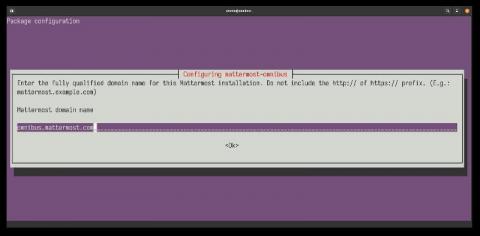
A complete solution for installing Mattermost: Introducing Mattermost Omnibus

Some time ago, a group of Mattermost contributors sat down to think about how to improve the installation and maintenance flow of the platform. Managing a Mattermost install is quite straightforward already thanks to its binary distribution, but you still need to install and manage the different components that surround the application itself: the database, the web proxy, and the SSL certificate.

Tips for Success When Implementing Your Transformation Initiative

Change isn’t without its detractors in terms of people and systems. A misstep in expanding application performance monitoring (APM) across full-stack application monitoring can result in the degradation of availability and performance, stopping a digital transformation effort in its tracks. Avoid this at all costs. Deploying a full-scale digital transformation is a vast undertaking well beyond the scope of this brief article.

Employee Experience - Monitoring the Metrics That Matter

The shift to working remotely has made communication and collaboration tools, such as Zoom, Slack, and O365, an indispensable part of an employee’s workspace. Employees are no longer working within an office network where employee experience was reliable and more or less guaranteed. Instead, they are relying on their local ISP network to connect to everything and anything work-related and this has brought in a lot of vulnerabilities in an otherwise stable and secure workspace.

Releasing Icinga for Windows v1.2.0

Today we are proud to announce the official release for Icinga for Windows v1.2.0! This includes v1.2.0 of the Icinga PowerShell Framework and v1.2.0 for the Icinga PowerShell Plugins. We collected plenty of feedback during the past months from our world-wide user base and focused on stability and usability in this release, but also added several new features!

Do containers and Kubernetes actually reduce AWS costs?

In surveys about why organizations adopt Kubernetes, a desire to reduce overall IT costs is an oft-cited reason for adopting containers and Kubernetes. Yet after the fact, when organizations talk about surprises during Kubernetes adoption, many cite increased costs. So does Kubernetes reduce costs or not? Like so many things in life, it depends. Here are some of the reasons Kubernetes projects come in over-budget and how to avoid them.