Operations | Monitoring | ITSM | DevOps | Cloud

What Is Synthetic Monitoring? | The Benefits of Running Synthetic Tests - Sematext

Find out what synthetic monitoring is and how it works. Discover the benefits of using synthetic testing tools for website performance and how to choose the right one for your use case. Synthetic monitoring (also known as synthetic testing and active or proactive monitoring) is one of the many tools developers use to oversee their websites. Synthetic testing removes the user and their device as variables and lets your test your deployed site. This helps ensure the website and all its third-party APIs are accessible and functioning as they should.

What's Up with Synthetic Monitoring?

If you are running a website or have a live application, you will have to ensure that the digital experience for your end-user is seamless. That is where Synthetic Monitoring can help. Any bad experience, delay, or even a glitch could hurt your budget. Industry experts unanimously agree that it is best to ensure that the web pages load as quickly as possible.

Sematext Synthetic Monitoring | Release and Features | The Best Website Monitoring Tools

Sematext’s Synthetic monitoring tool is a website monitoring solution that lets you track the availability and performance of your websites. Monitor your entire website or an individual HTTP request, including 3rd party APIs. Get the best website monitoring tools with Sematext’s synthetics and Real User monitoring tools.

Solving slow web applications - Kentik Synthetics Page Load Test

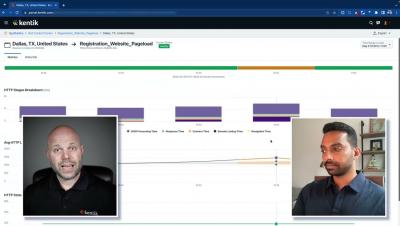
Kentik's Phil Gervasi talks with Product Manager Sunil Kodiyan to discuss what synthetic testing is and how it can be used to troubleshoot issues with web applications. Sunil demonstrates the use of the Kentik Synthetics Page Load test, which provides a granular breakdown of how every component on the page is loading. Using that information, web app developers can easily track down exactly what’s impacting a site’s performance—whether it’s a site hosted on-premises, in the cloud, or by a SaaS provider.

Synthetic Monitoring Phases & Strategies

Synthetic monitoring tools have long formed a core part of application performance management and monitoring toolsets. Yet no matter how familiar you are with synthetic monitoring, there is likely room to get more out of it than you currently are. Indeed, the default approach to synthetic monitoring tends to involve using it reactively: problems occur in production, and your team uses synthetic monitoring to help understand and remediate them.

Synthetic Monitoring Tools: 5 Must-Have Features

There are many different classes of web performance tools, from synthetic monitoring to application performance monitoring (APM), to real user monitoring (RUM), and more. These different classes exist because each has its own strengths and weaknesses. When evaluating open-source or enterprise-grade synthetic monitoring tools, you want to look for capabilities that maximize its strengths.

Synthetic Monitoring vs Real User Monitoring: What's The Difference?

It’s important for both technical and business teams to understand the different web performance monitoring options that are available as well as their various use cases and the benefits of each. In this article, we’ll compare synthetic monitoring and real user monitoring (RUM).

Synthetic Monitoring With Sematext | Release and Features | The Best Website Monitoring Solution

Sematext’s Synthetic monitoring tool is a website monitoring solution that lets you track the availability and performance of your websites. Monitor your entire website or an individual HTTP request, including 3rd party APIs. Get the best website monitoring tools with Sematext’s synthetics and Real User monitoring tools.