Intro to Kubernetes and Rancher - 2020-07-02
Join Adrian Goins as he walks you through everything you need to start using Kubernetes and Rancher today!


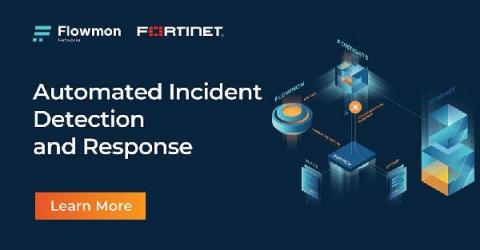
Flowmon has recently joined Fortinet’s Open Fabric Ecosystem by integrating with FortiGate and FortiSIEM. This cooperation brings automated system for threat detection and response, blocking security risks in their infancy, and giving time to administrators to carry out forensics.
This article was originally published on NetworkDataPedia. The one complaint that an IT administrator dreads to receive is one where an end user says, “My application is slow!”. The application in question can be a web application, an enterprise application like SAP, Microsoft SharePoint, or a SaaS application like Salesforce or Office 365.
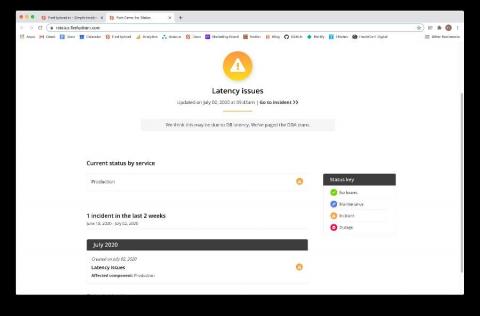
Communication is one of the hardest things to do well while responding to incidents. At FireHydrant, we’ve focused on helping people communicate well within their teams when responding to incidents, and also after the fact during post-incident reviews. But what about communicating with your customers? During an incident, your customers want to know that you’re aware of the problem and are working to mitigate or resolve it.
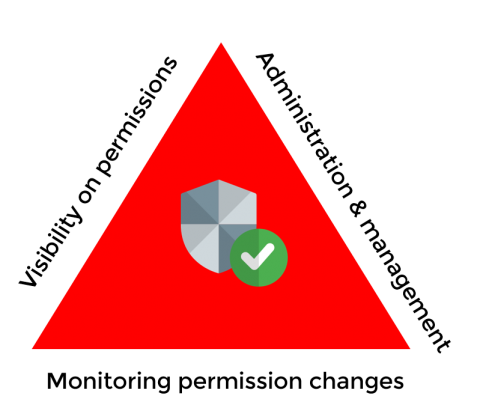
Permissions, access controls, user rights, or privileges define what an identity can see or do in an organization. These terms are often used interchangeably based on context, and essentially perform the same function—granting or denying access to the resources in an enterprise.
Hazelcast is a distributed, in-memory computing platform for processing large data sets with extremely low latency. Its in-memory data grid (IMDG) sits entirely in random access memory, which provides significantly faster access to data than disk-based databases. And with high availability and scalability, Hazelcast IMDG is ideal for use cases like fraud detection, payment processing, and IoT applications.
2020 has been a year of challenges, and across all industries, companies are working hard and fast to remain efficient in the face of a new normal. Now that hiring freezes are slowly thawing out, many companies are starting to hire new people virtually and want to create remote cohesion between new and existing teammates. The lack of physical proximity means your team will need to ramp up on communication, transparency, and accountability.