The latest News and Information on Incident Management, On-Call, Incident Response and related technologies.
Automation has become a game changer for businesses seeking efficiency and scalability in a rather unclear and volatile macroeconomic landscape. Streamlining processes, improving productivity, and reducing incidence for human error are just a few benefits that automation brings. However, as organizations embrace automation, it’s crucial to ensure modern security measures are in place to protect these new and evolving assets.
When we detect a problem with your site, we can notify you via mail, a Slack message, a webhook, or any of our other notifications channels. This is enough for most of our users, but those who work in larger teams often need more flexibility. Today, we are launching our PagerDuty integration. PagerDuty is a cloud-based incident management platform that helps organizations improve operational reliability by providing real-time alerts, on-call scheduling, and incident tracking.
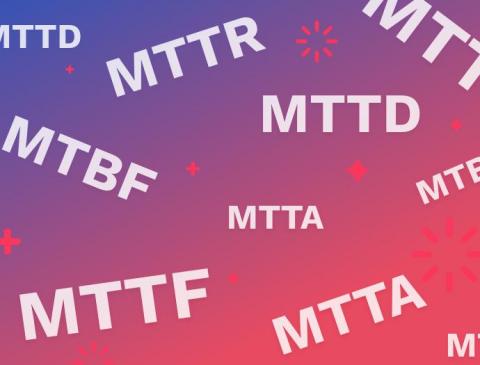
In the fast-paced world of software development, every minute counts. When disruptions occur, whether there are minor or major system failures, organizations need to bounce back to maintain seamless operations. That's where MTTR (Mean Time to Repair) steps onto the stage as a game-changing metric. Are you ready to unlock the secrets behind reducing downtime, boosting performance, and ensuring software reliability?
Are you tired of dealing with IT incidents that seem to pop up at the worst possible times? Do you find yourself struggling to keep track of all the moving pieces involved in resolving incidents? If so, it’s time to revitalize your incident management strategy. In this article, we’ll explore the key pillars of incident process management, best practices, and how technology can help streamline your process.
IT-Incident Management - a hot topic and more important than ever in the digital age. Companies are increasingly relying on technology to maintain their operations, as any downtime can have catastrophic consequences. On average, one minute of downtime costs $9,000. Therefore, an efficient and especially organization-specific incident management system is essential. However, there are many components and options in incident management, so what software stack should you use?
We’ve all been there: Sleeping peacefully in bed over the weekend, finally getting rest after a long week at your computer making AI-generated memes writing code. Then at 3 a.m., your phone makes an ungodly sound, and you wake up startled, frazzled, and confused. When you finally type in your passcode to unlock your phone (because facial recognition doesn’t register your bleary-eyed, squinty face), you see an alert, and all dreams of sleep are over.
With the growing popularity of Kubernetes as a container orchestration platform powering the microservices revolution, comes greater complexity with managing, monitoring, and responding to incidents at scale. Challenges with real production environments include full visibility into your clusters and environment’s health, alongside real-time incident management and response.
Here's what you can expect to learn from this article: Raise your hand if you like shipping changes quickly. (Yes, let's assume that everything you're shipping has value and isn't a vanity project). Chances are, you, the person reading this now, agreed with the above. When you start on a project, big or small, you want to keep any changes moving along and avoid getting stuck. The less time between the beginning and end of a project, the faster you can shift your focus to other things.