Derdack's Mission
A few words by Matthes, CEO of Derdack, on the mission of Derdack at the online 2020 user group meeting


The latest News and Information on Incident Management, On-Call, Incident Response and related technologies.
Mattermost release v5.29 is generally available today. In addition to offering bug fixes for increased stability, the new quality release features the general availability of a pre-installed incident management application, channel moderation settings, and Mattermost Omnibus.
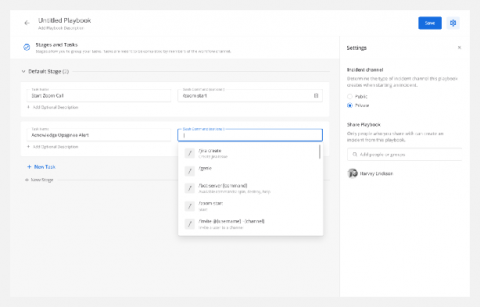
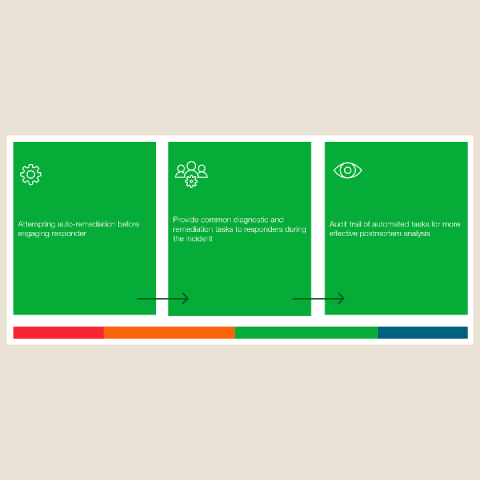
Rundeck has now joined forces with PagerDuty. What pulled us together? Our shared vision for improving the work lives of those who run modern digital services. As a co-founder of Rundeck, I’d like to provide my perspective on why Rundeck becoming part of the PagerDuty family is a perfect fit for our collective user communities. No matter if you are on a “you build it, you run it” DevOps team or part of a centralized Ops team—operations work has always been difficult.
If you already use AlertOps, you’re familiar with the incident management system. However, did you know that you can integrate your Uptrends alerting with AlertOps? Our newest integration brings together the automation of AlertOps and the reliability of Uptrends alerting.
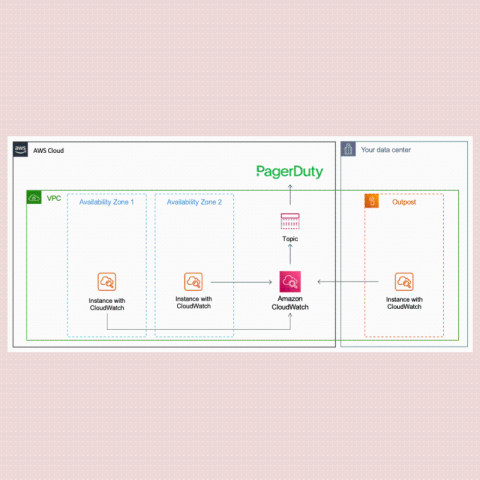
Ask most people what they consider to be the core value of the AWS cloud, and they’ll probably include things like AWS’ scalability and flexibility. While this refers to their public cloud offerings, the same can be said about AWS Outposts—and maybe even more so.
Enterprise Alert is the premier solution for reliable, targeted, and accountable Alerting. At Derdack, we have always aimed to provide the best possible security combined with an easy to use User interface. Part of this UI is the Enterprise Alert mobile App which supports secure 2-factor authentication by integrating with ADFS.
Many AIOps initiatives experience difficulties due to unrealistic expectations and a lack of a clear AIOps strategy. What is the reality beyond the AI hype, and how do we make these initiatives a success? Join us in this CTO Perspective discussion with Jason Walker, Field CTO at BigPanda, to find out.
DevOps practices, and the teams that implement them, are becoming increasingly critical to the value which any company provides its customers. This was the key message throughout a recent fireside chat between DevOps Institute Chief Ambassador Helen Beal and Moogsoft VP of Product and Design Adam Frank. A great paradox of the digital era is that, once written, software is invisible to those who write it.