Operations | Monitoring | ITSM | DevOps | Cloud


The latest News and Information on IT Service Management, Service Desk and related technologies.
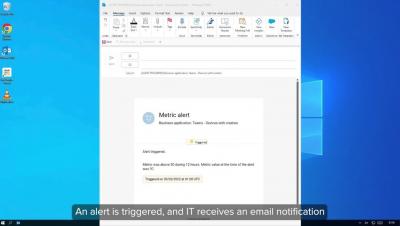
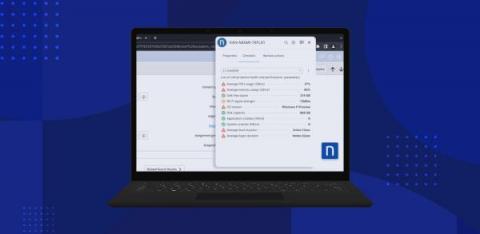
5 Ways Nexthink Amplify Strengthens Your Service Desk
What does a normal day look like for your service desk? A flood of incoming tickets. Insufficient data to quickly find the root cause of issues. And a lack of remediation power to close tickets fast. Level 1 (L1) analysts are forced to spend time jumping across tools, reaching out to end users, or relying on guesswork to solve problems.

Intelligent Workflow Automation Helps Company Productivity
If you can harness the power of intelligent workflow automation, it has the potential to transform your operations and enable you to deliver on customer expectations. StartingPoint can provide your team with the necessary tools to embrace intelligent workflow automation. Before breaking down this platform, let’s take a step back and define what intelligent workflow automation is.

Analytics Plus webinar: The 5-step plan to establish capacity planning for your IT

Ivanti Neurons for Healing Better Experiences. Better Outcomes.
Improving IT Service Delivery and Asset Management

Accurate Actionable Asset Insights
Enhancing the Employee Experience through Proactive Service Management
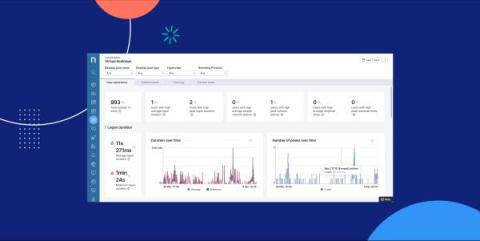
Closing the Gaps in Desktop Virtualization
In virtual desktop environments, visibility into common employee experience problems has traditionally been limited. In most virtual desktop scenarios, what’s really being delivered is an instance of Windows with a collection of Windows applications, including a browser to access various SaaS applications. EUC teams have been managing these environments for years, so this should be easy, right?

How RFID Helps in Inventory Management?
RFID, or radio frequency identification, is a technology that has been around for decades but has gained increasing popularity in recent years due to its ability to streamline inventory tracking and management. RFID software systems use radio waves to identify and track objects, making them a valuable tool for businesses looking to optimize their operations. In this blog post, we will explore how RFID works and where it is used, with a particular focus on its role in inventory tracking.