Operations | Monitoring | ITSM | DevOps | Cloud

The latest News and Information on IT Service Management, Service Desk and related technologies.

The Service Value Chain in ITIL 4

The ITIL 4 Foundation Edition introduced the service value chain in 2019, as an operating model to facilitate value realization. We’ve first talked about the topic on our Definitive Guide on ITIL, but it’s time to expand on the concept to understand: So, make sure to keep reading – we’ve thrown some useful examples on how the service value chain works!

Asset Maintenance Best Practices for Optimal Asset Performance

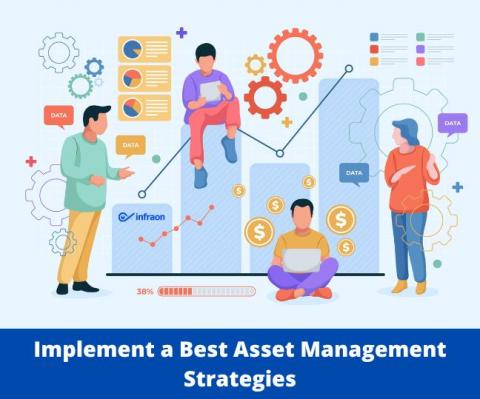
Lots of people believe that asset maintenance and asset repairing are the same but it's not. Asset maintenance prevents the requirement of asset repairing. Repairing is something that is broken and now needs to be brought back into running condition. Asset maintenance is an umbrella that records all that goes into keeping your resources everything looking good. By manufacturing hardware, resource support can mean normal examinations and fixes.

DevOps Roadmap: 14 Steps to Become a DevOps Engineer

So, you want to become a DevOps engineer? It’s a stimulating, challenging, high-paying career choice, but the lynchpin role holds software development and operations together. We’ve compiled a DevOps roadmap that includes all the steps required to fill the shoes of a DevOps expert. As you know, DevOps is a set of practices and tools to integrate and automate processes between IT and software development teams.

Best Tips to Choose the Right Asset Management Software for Your Organization

Lots of organizations do not invest in any type of asset management software as a result frequently business problems occur such as operations are not streamlined, required assets are not found or sudden equipment failure occurs, and so on. These types of problems only lead to delayed operations, unnecessary expenses, and business loss. When an organization utilizes any asset management software then the expected results are also not achieved.

Five Blind Spots Solved Through Observability

“Too many cooks spoil the broth.” It’s an old saying we’ve heard many times in childhood. If we put it in today’s IT monitoring context, we could change it to “too many tools spoil the insights and efficiency.” IT teams across organizations have deployed multiple tools over the decades to monitor and track the performance of networks, databases, and applications and to ensure the smooth running of the business.

AI vs. Machine Learning vs. Deep Learning vs. Neural Networks: What's the Difference?

The continuous debate around artificial intelligence (AI) has led to a lot of confusion. There are many terms around it that appear to be similar, but when you take a closer look at them, that perception is not entirely accurate. For that reason, here we take our best shot and oppose AI vs. machine learning vs. deep learning vs. neural networks to set them apart once and for all. In short, we’ll look at how they all relate to each other, and what makes them different in their particular way.

The Ultimate Guide to Service Level Agreements (SLAs)

Service Level Agreements (SLAs) are a crucial part of Service Level Management, and therefore one of the key components of IT service management. They are the basis for building and delivering IT services, and play a key role in ensuring that both the client and the service provider are on the same page and that the service delivery is at par with or exceeds customer expectations.
Sponsored Post

10 Ways To Increase Operational Excellence Across Your Workforce

Achieving operational excellence will ensure your business is firing on all cylinders. This is the point at which everything just falls into place and works seamlessly. If you do not yet have a clear path toward operational excellence, this guide will offer a few practical ways for you to unleash the potential of your organization. But first, let's break down operational excellence.

Harnessing the whole organization to create a better customer experience

Creating an effortless customer experience is one of the key imperatives facing customer service leaders today. Providing experiences without friction is a crucial step in enabling organizations to be more responsive and agile while improving employee productivity, satisfaction, and retention.